
Optimal Timing for Asphalt Sealings
Proper timing for asphalt sealings is essential to maximize durability and effectiveness. The ideal period depends on local climate conditions, temperature ranges, and weather patterns. Generally, sealings are most effective when applied during warm, dry weather, avoiding extreme cold or excessive heat.
Sealings should be applied when daytime temperatures are between 50°F and 85°F for proper curing and adhesion.
Dry weather with no rain forecast for at least 24 hours ensures proper drying and bonding of sealant.
Spring and early fall are typically the best seasons for asphalt sealings in many regions, including Woodinville, WA.
Sealing during freezing temperatures or during periods of high heat can reduce effectiveness and cause damage.
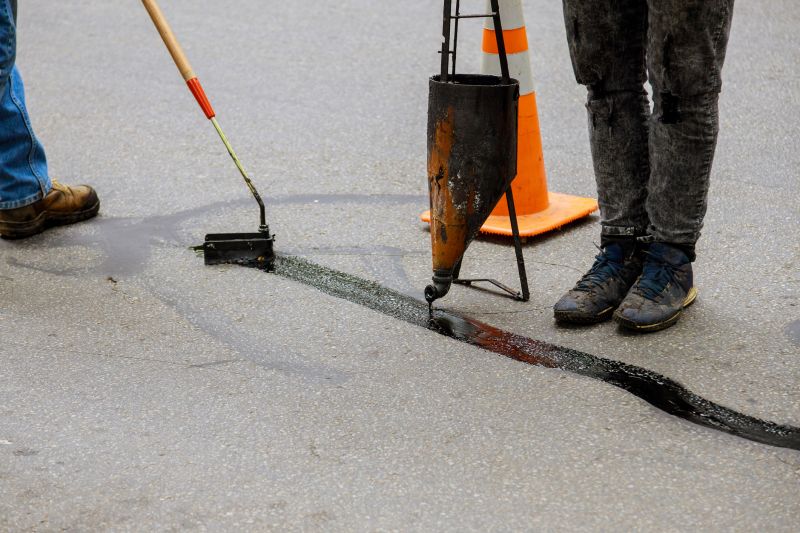
Warm temperatures and low humidity make spring an ideal time for asphalt sealings.
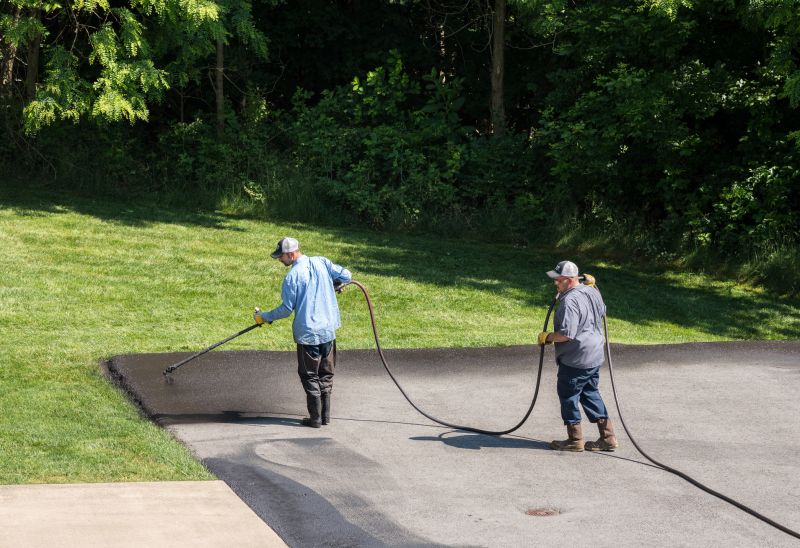
Early summer offers suitable conditions, but high temperatures should be avoided during application.
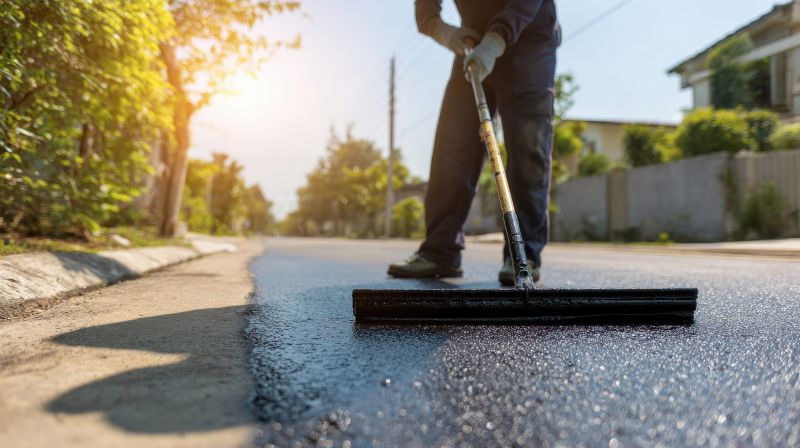
Late summer to early fall provides optimal weather for sealings before winter sets in.
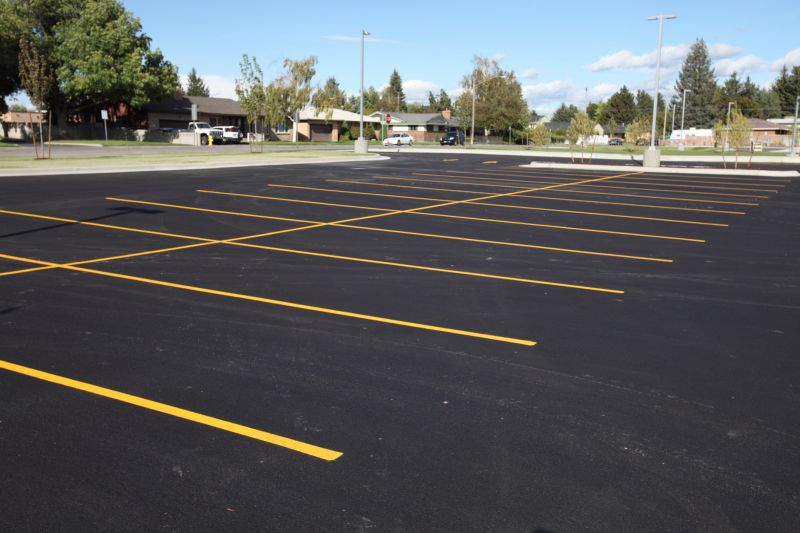
Ways to make Asphalt Sealings work in tight or awkward layouts.
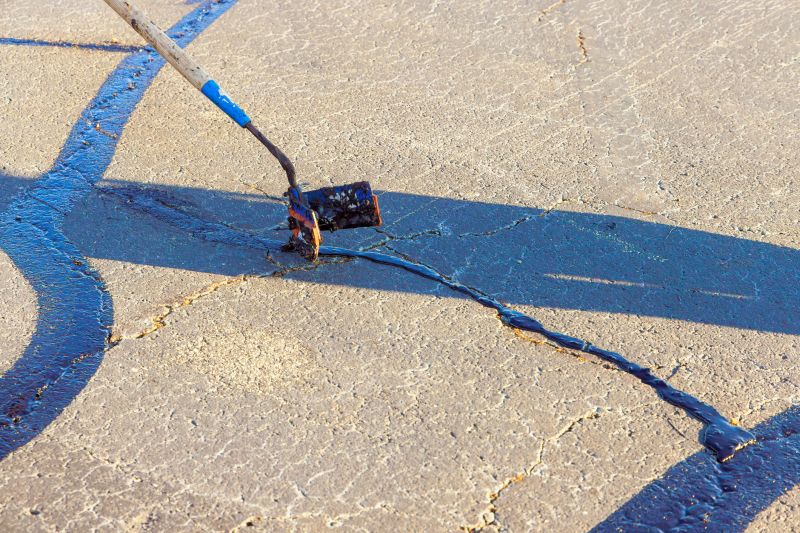
Popular materials for Asphalt Sealings and why they hold up over time.
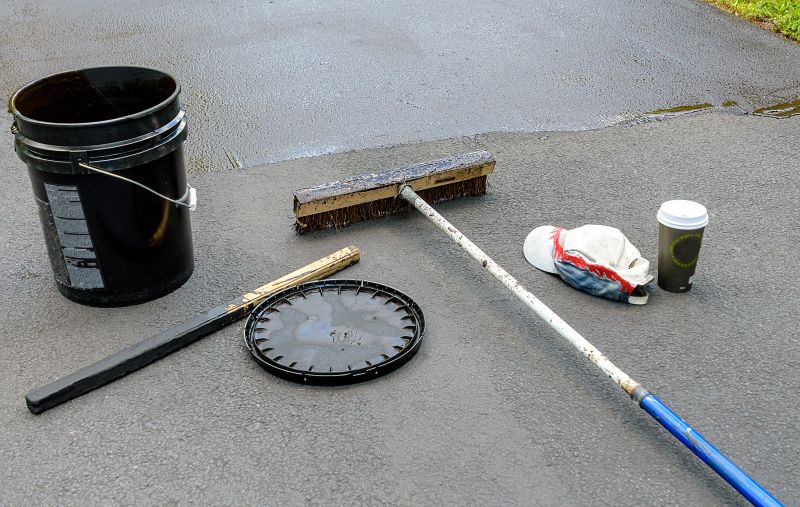
Simple add-ons that improve Asphalt Sealings without blowing the budget.
Asphalt sealings serve as a protective barrier against water, UV rays, and other damaging elements. Proper sealing can extend the lifespan of asphalt surfaces, reduce maintenance costs, and improve appearance. Regular application, ideally every 2-3 years, maintains surface integrity and prevents cracks and deterioration.
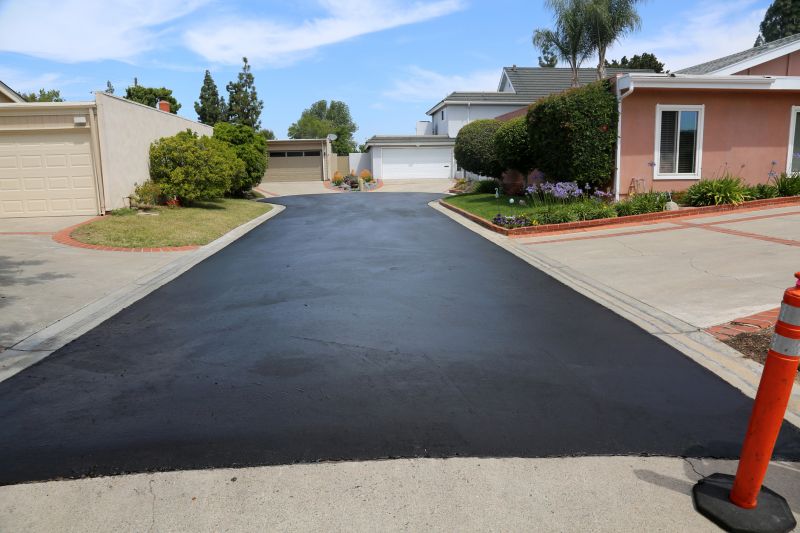
A newly sealed asphalt surface provides a smooth, protective finish.
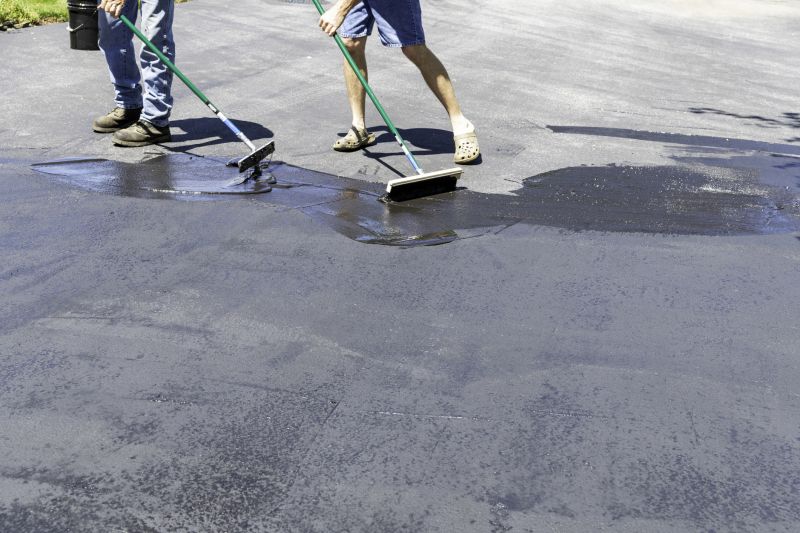
Application process involves cleaning and preparing the surface before sealing.
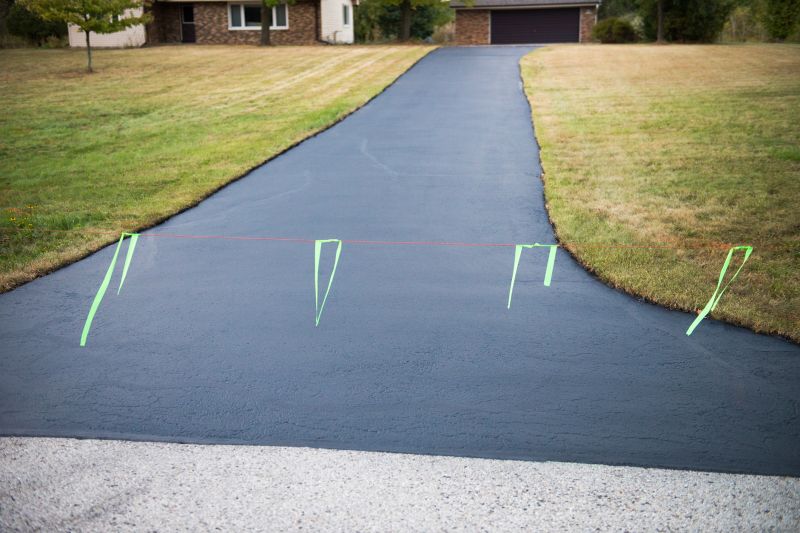
A well-maintained driveway with recent sealings enhances curb appeal.
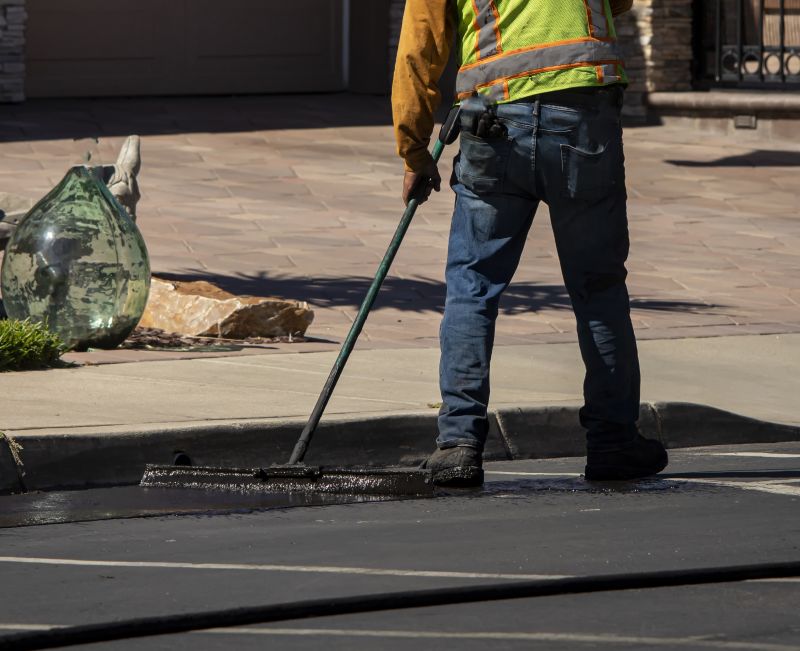
Proper care post-sealing ensures longevity and optimal performance.
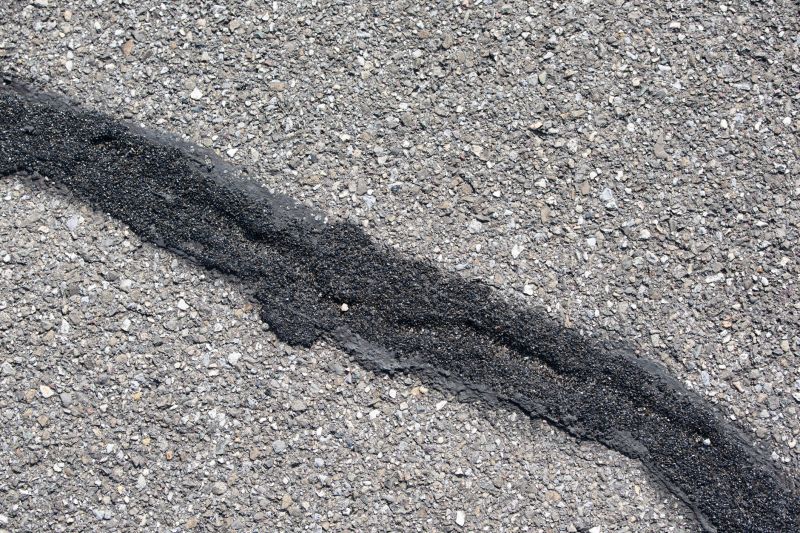
High-end options that actually feel worth it for Asphalt Sealings.
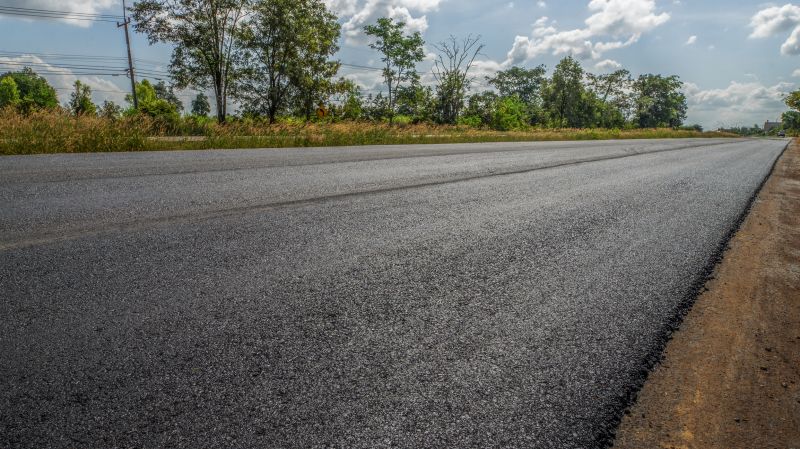
Finishes and colors that play nicely with Asphalt Sealings.
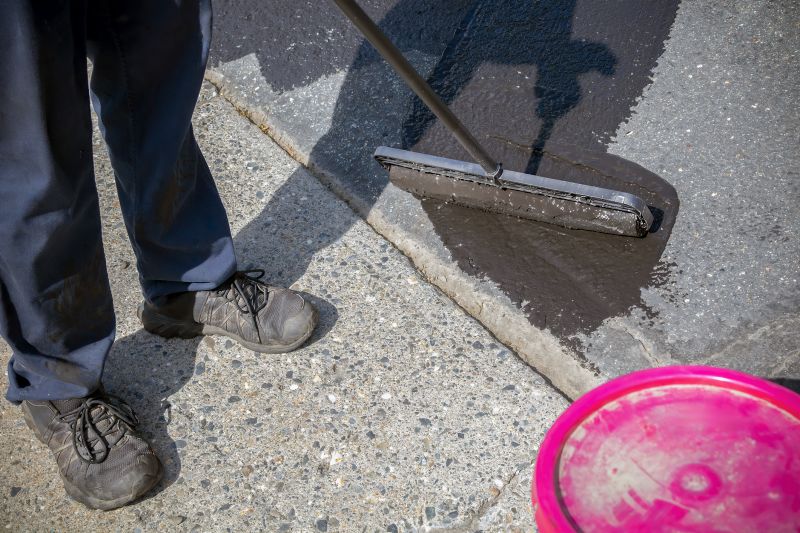
Little measurements that prevent headaches on Asphalt Sealings day.
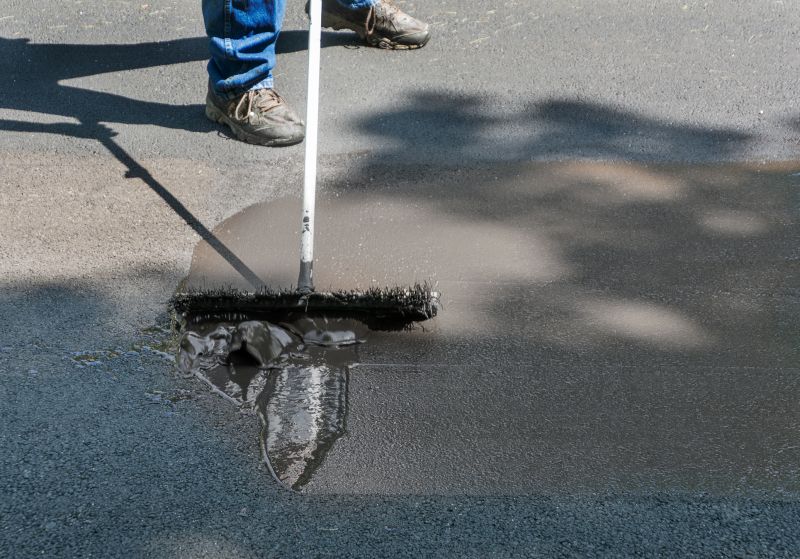
A 60-second routine that keeps Asphalt Sealings looking new.
| Season | Temperature Range (°F) |
|---|---|
| Spring | 50-85 |
| Summer | 60-85 |
| Fall | 50-75 |
| Early Fall | 50-75 |
| Late Summer | 60-85 |
| Winter | Not recommended |
Timing sealings correctly can significantly impact their effectiveness and lifespan. In regions like Woodinville, WA, avoiding sealing during winter or late fall when temperatures drop below freezing is advised. Consistent warm, dry conditions support proper curing and adhesion, ensuring the asphalt surface remains protected and durable.
Additional Information on Asphalt Sealings
Properly timed asphalt sealings are a cost-effective way to maintain asphalt surfaces. Applying sealant during optimal weather conditions reduces the risk of cracks, potholes, and surface deterioration. Regular maintenance, including sealings, can extend the service life of asphalt by several years. It is important to monitor weather forecasts and plan sealings during periods of stable, warm weather to achieve the best results.
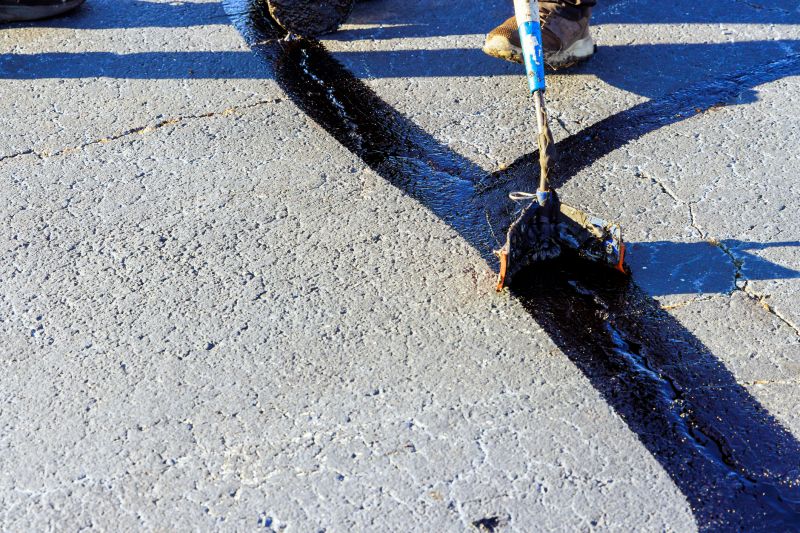
Application process on a residential driveway.
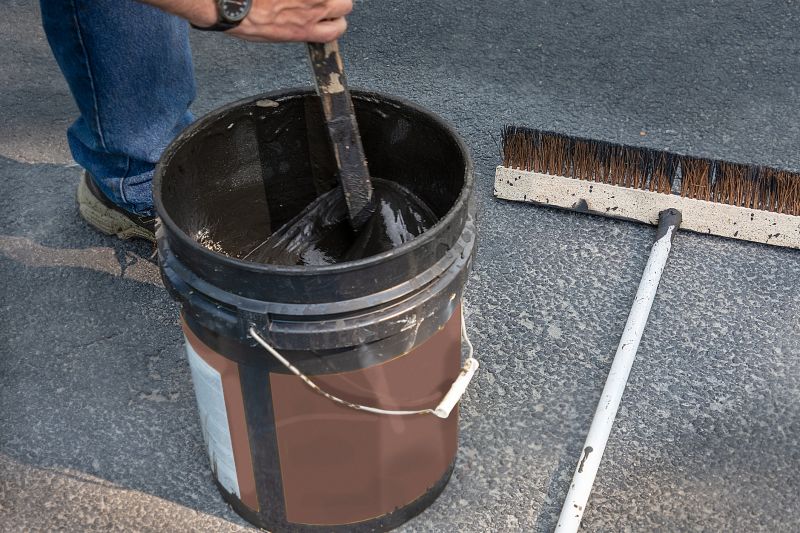
Comparison showing surface protection and enhancement.
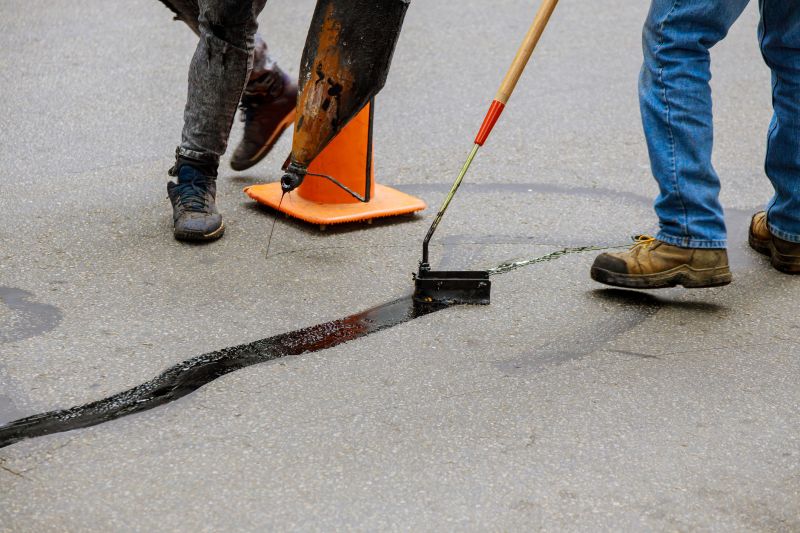
Large-scale asphalt sealing projects in progress.
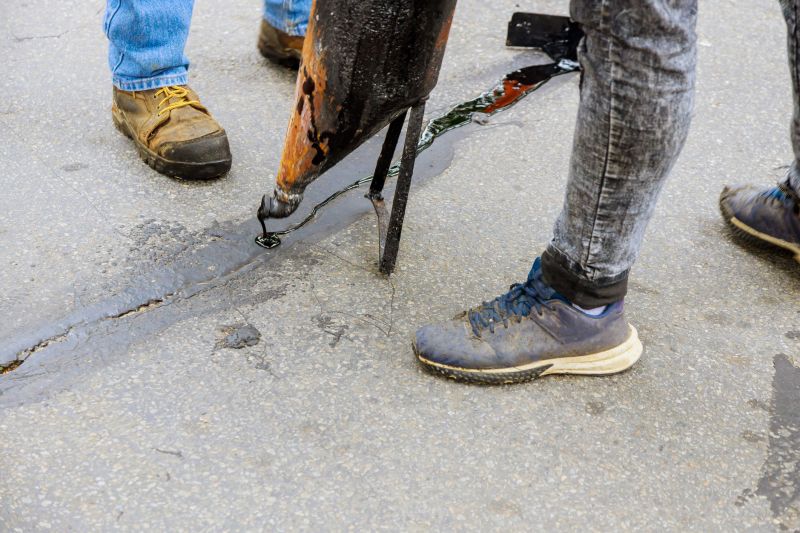
A frequent mistake in Asphalt Sealings and how to dodge it.

Small tweaks to make Asphalt Sealings safer and easier to use.
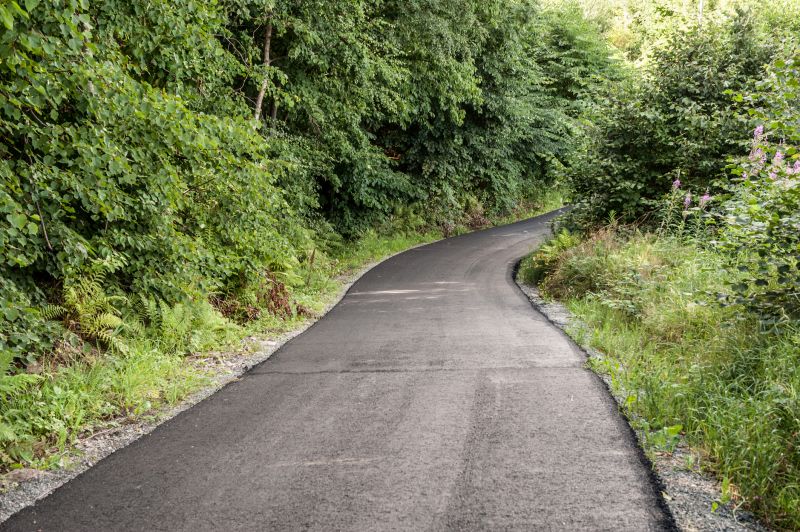
Lower-waste or water-saving choices for Asphalt Sealings.
Interested parties in asphalt sealings are encouraged to contact for more information or to schedule an application. Proper timing and application techniques ensure the best protection and longevity of asphalt surfaces, making regular sealings a valuable investment in property maintenance.